Gut Microbiome: Emerging Research on Bacteria and Body Weight
Exploration of how gut bacteria may relate to energy harvest and metabolism
What is the Gut Microbiome?
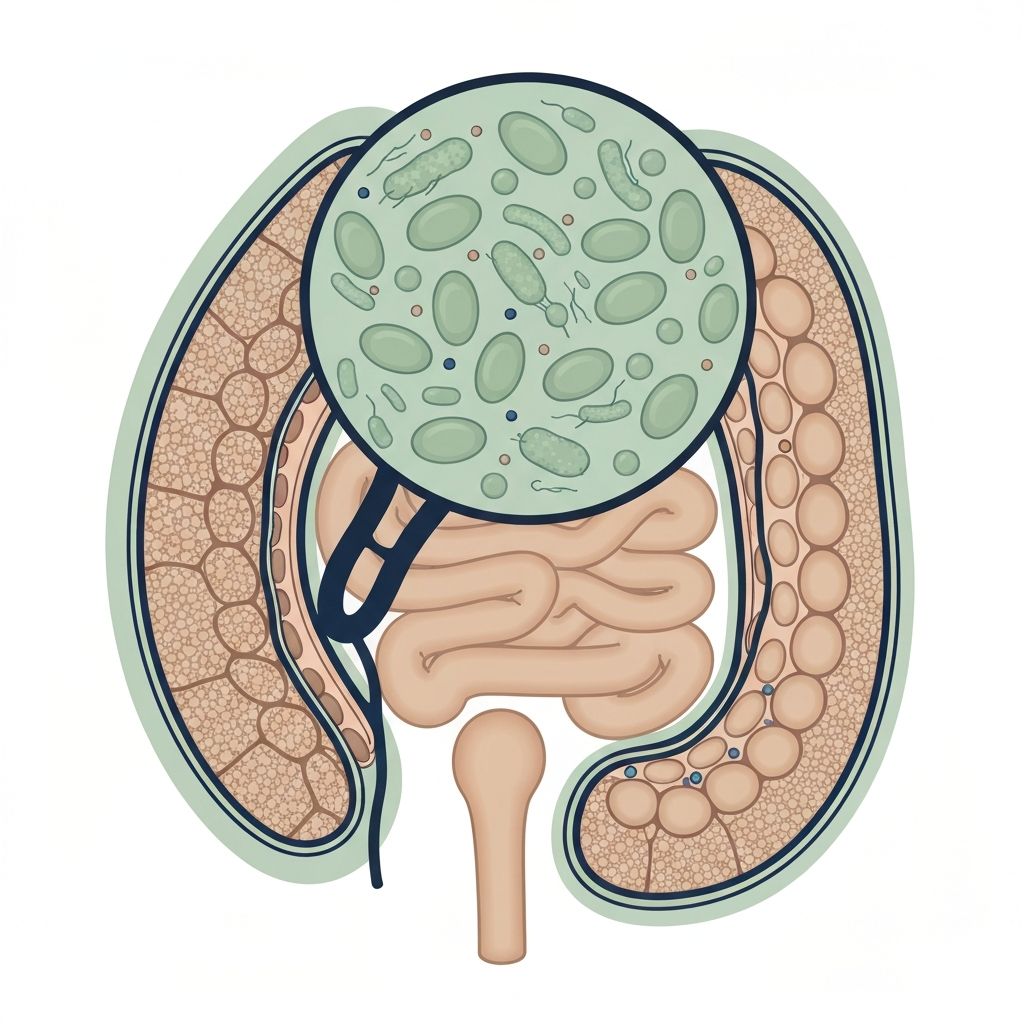
The human gut microbiome consists of trillions of microorganisms—primarily bacteria, but also viruses, fungi, and other organisms—that inhabit the gastrointestinal tract. These organisms form a complex ecosystem that plays numerous roles in digestive function, immune regulation, and potentially metabolic health.
The microbiota begins forming at birth and becomes established through infancy and childhood. Composition varies among individuals and can change throughout life in response to diet, antibiotics, stress, and other factors.
Potential Roles in Energy and Weight
Recent research suggests the microbiome may influence body weight through several mechanisms:
Energy Harvest from Food
Gut bacteria ferment dietary fiber and other compounds, producing short-chain fatty acids that can be absorbed and used for energy. Different bacterial compositions might extract different amounts of energy from the same food, potentially affecting overall calorie availability.
Metabolic Byproducts
Bacterial metabolism produces various compounds including short-chain fatty acids like butyrate, which appear to influence satiety signaling, glucose metabolism, and inflammatory markers.
Inflammation and Metabolic Function
The microbiota influences intestinal barrier function and systemic inflammation levels, which may relate to metabolic health and weight regulation through complex immune signaling.
Appetite Signaling
Emerging evidence suggests bacterial metabolites may influence the production of appetite-regulating hormones and other signaling molecules affecting food intake and satiety.
Current Research Status
While microbiome research is rapidly expanding, important caveats exist. Most studies are observational, showing correlations between microbial composition and body weight without establishing clear causal relationships. Causality is difficult to prove because microbiome changes may result from weight gain rather than cause it.
Research in animals has shown that transplanting microbiota from obese to normal-weight animals can influence weight gain, suggesting mechanistic potential. However, translating these findings to human interventions remains challenging.
Factors influencing microbiota composition are multiple and interconnected, including diet (particularly fiber intake), antibiotics, stress, sleep, genetics, and other lifestyle factors. Disentangling specific effects remains a research priority.
Practical Implications
While microbiome science is advancing, consensus interventions for microbiota manipulation in weight management have not yet emerged from research. General practices associated with healthier microbiota composition include:
Dietary Fiber
Fiber from vegetables, fruits, whole grains, and legumes supports the growth of beneficial bacteria. Different fiber types feed different bacterial species, supporting microbial diversity.
Dietary Diversity
Consuming diverse plant foods supports diverse bacterial populations, which appears associated with better health outcomes in observational research.
Fermented Foods
Yogurt, kefir, sauerkraut, and other fermented foods contain living microorganisms and may support microbiota diversity, though effects vary among individuals.
Antibiotic Stewardship
Using antibiotics only when medically necessary helps preserve microbiota function, as antibiotics can have substantial effects on microbial composition lasting months.
The Broader Picture
The microbiome is one piece of a complex puzzle affecting weight regulation. While fascinating and potentially important, microbiome science does not negate the fundamental importance of energy balance, physical activity, sleep, stress management, and overall nutrition quality in weight management.